The Art and Principles of Scientific Research Writing
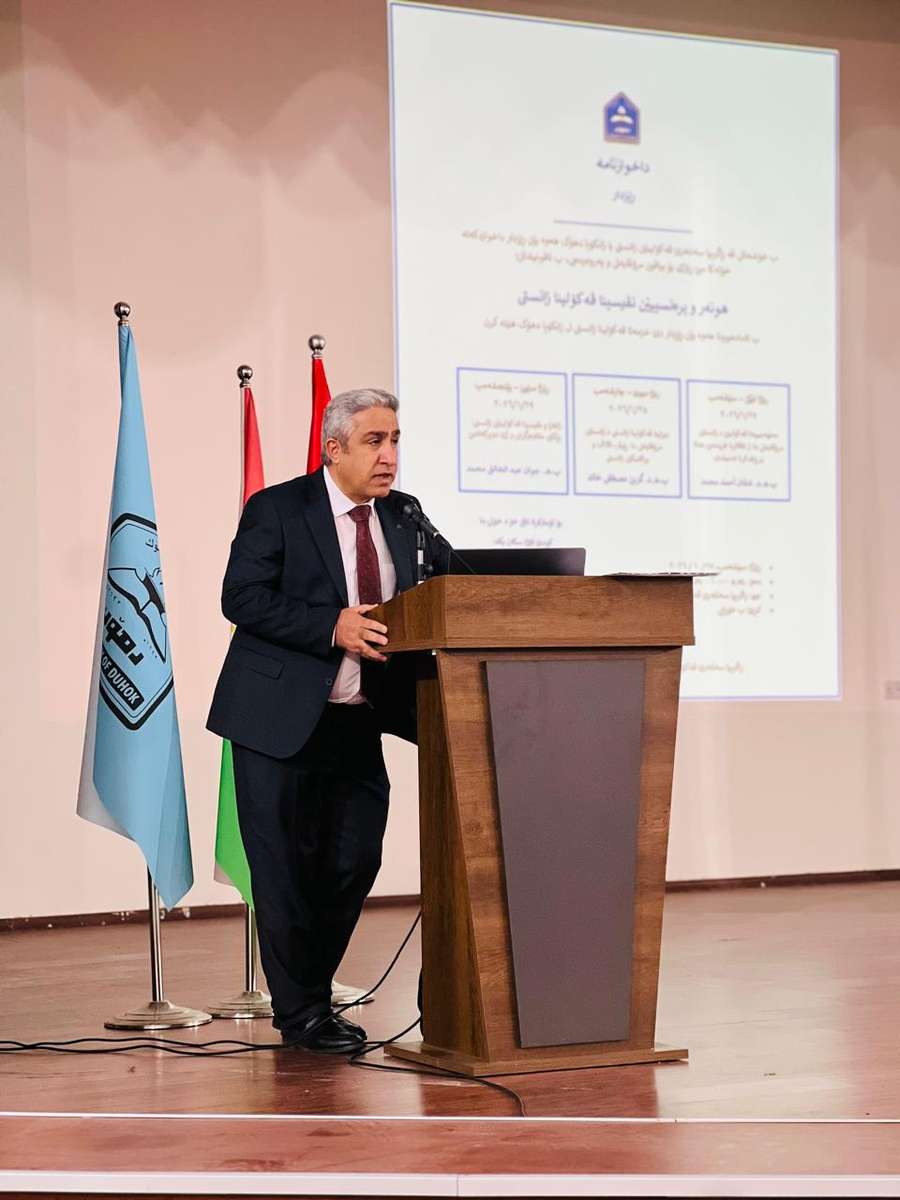
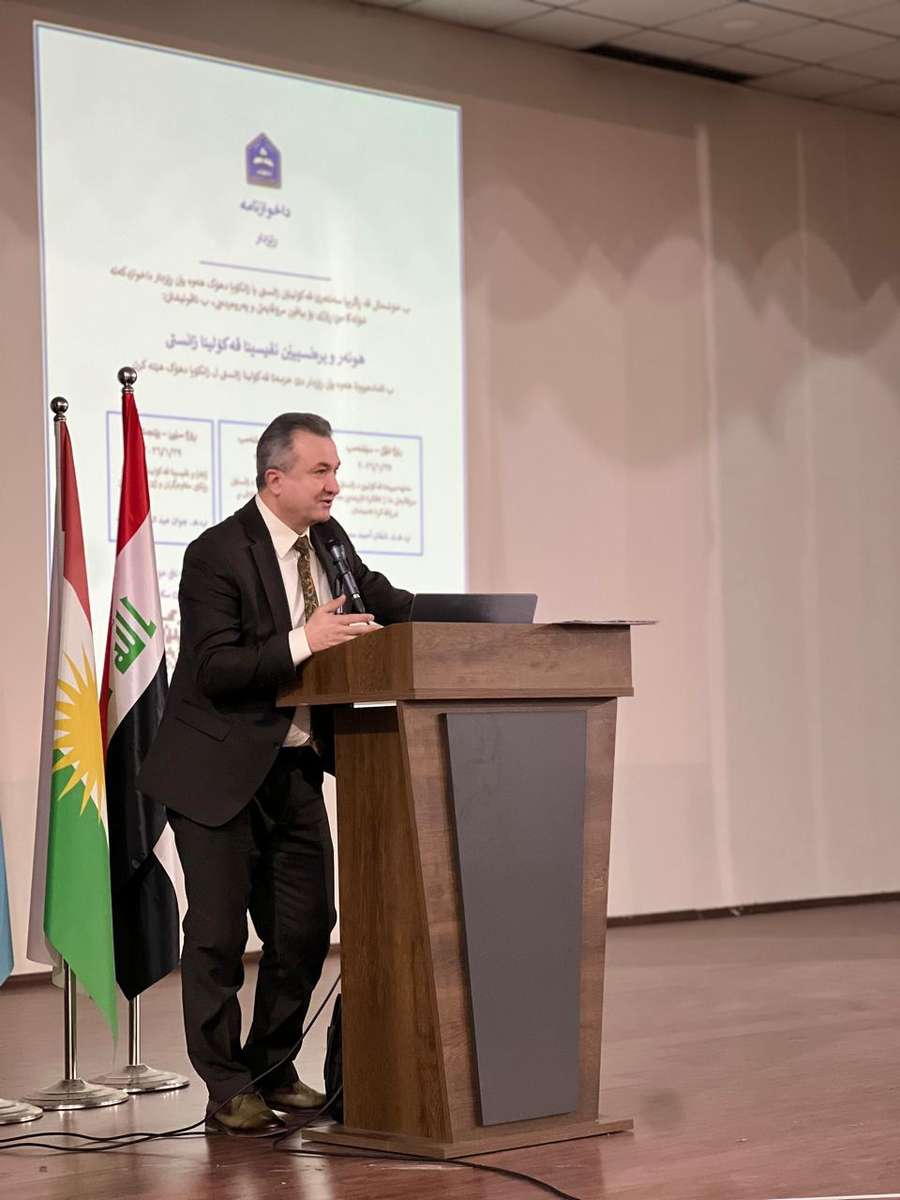
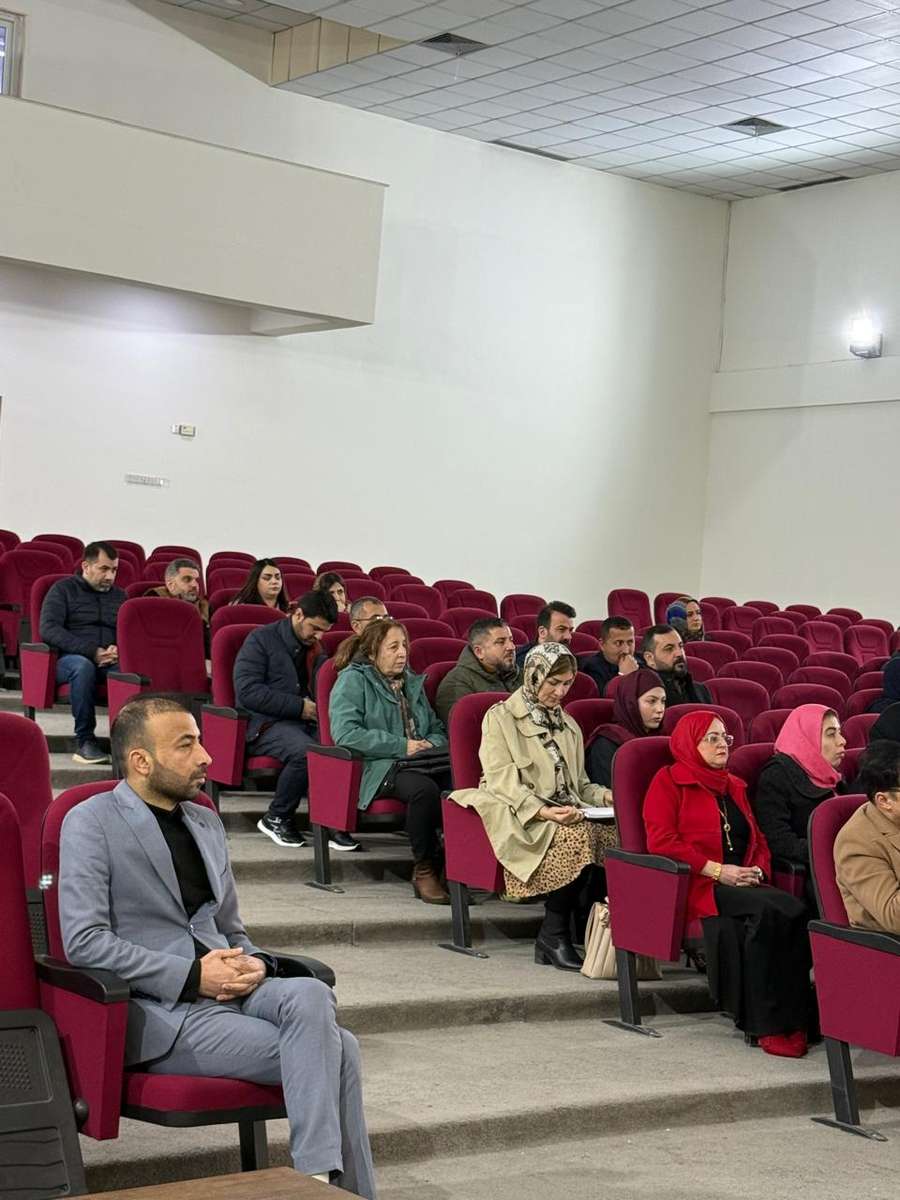
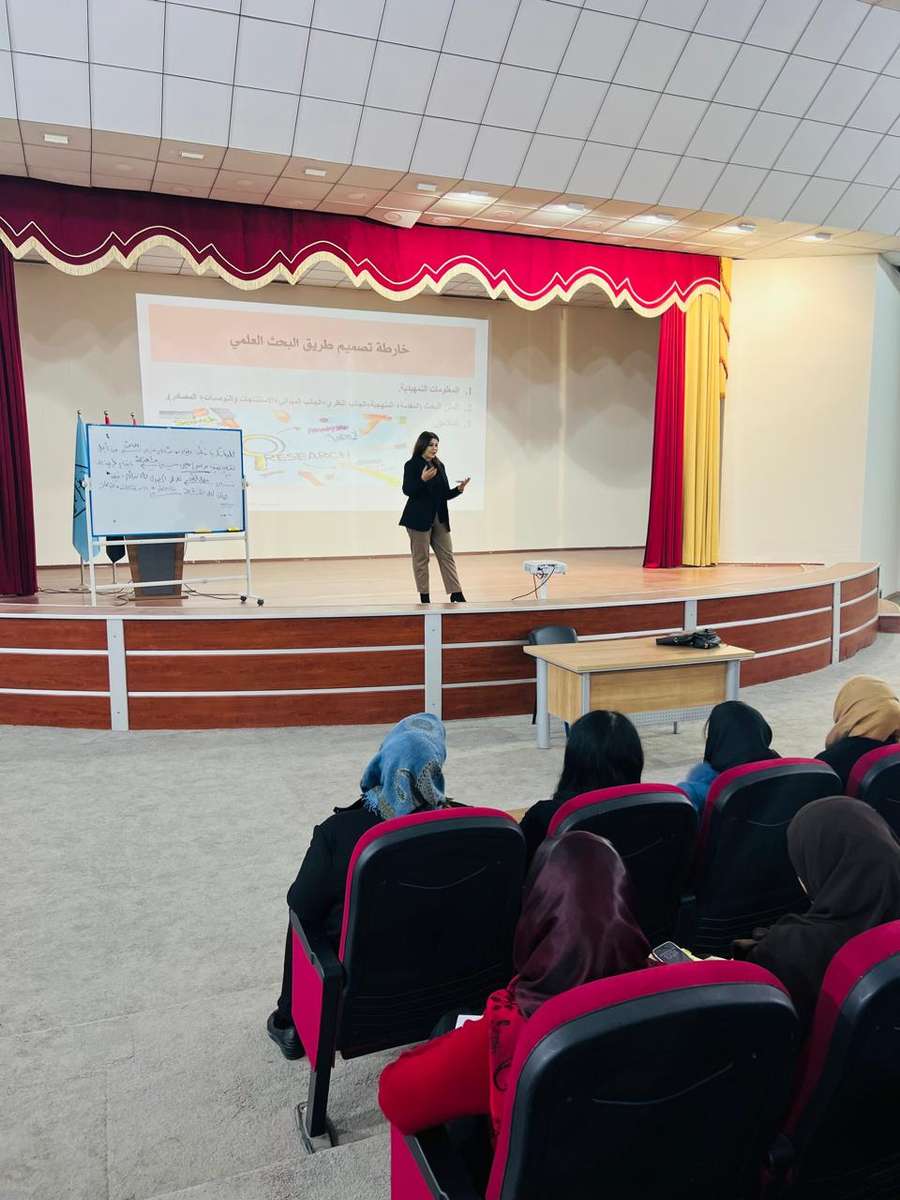
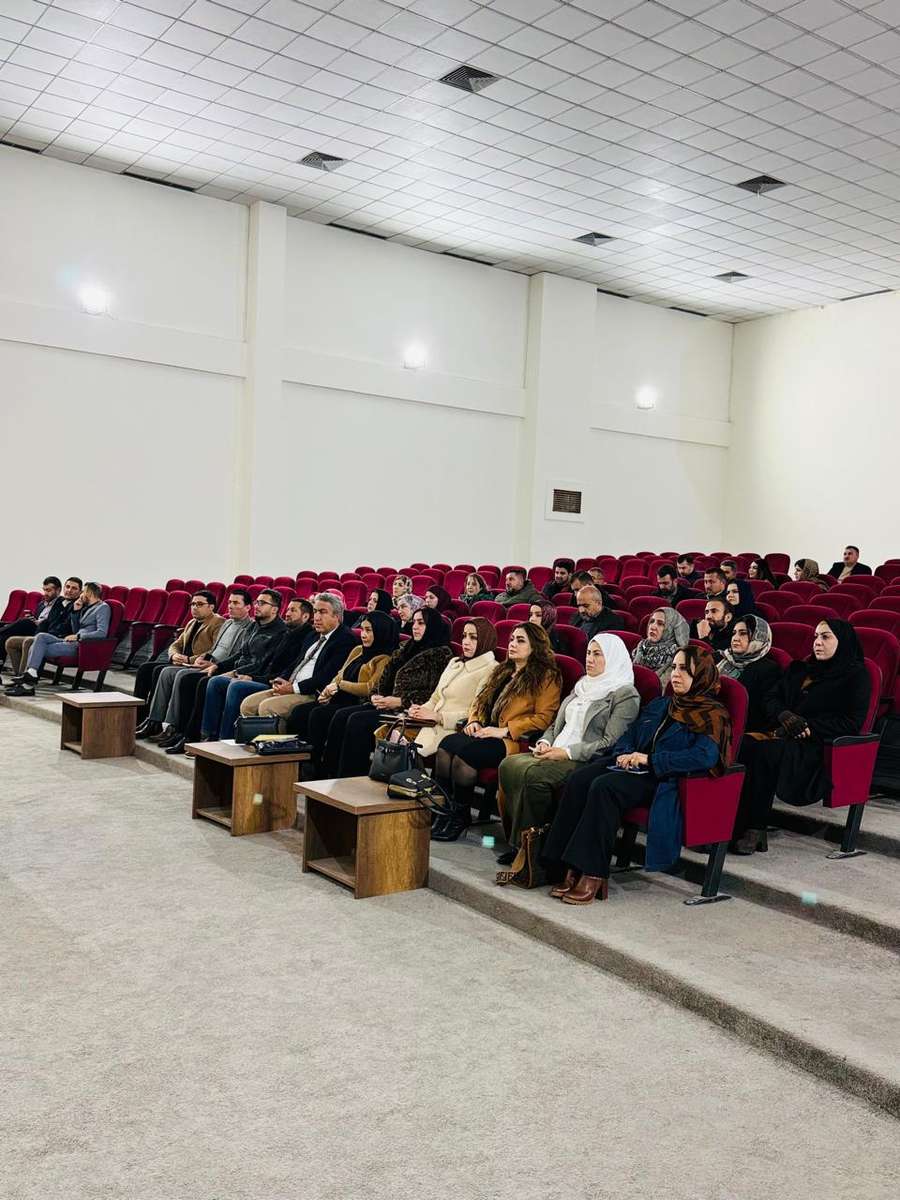
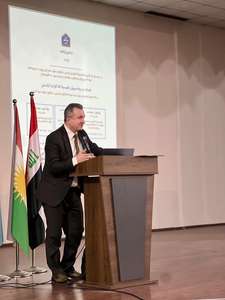
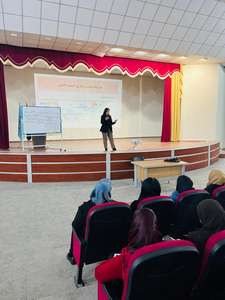
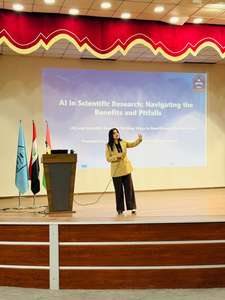
From January 27 to January 29, 2026, the Deanship of the Scientific Research Center at the University of Duhok organized a three-day Course focused on the fields of Humanities and Educational Sciences. The Course, titled "The Art and Principles of Scientific Research Writing," aimed to further serve and support scientific research among researchers, faculty members, and postgraduate students. Three expert teachers conducted the sessions as follows:
- Day One (Tuesday, Jan 27, 2026): Asst. Prof. Dr. Shivan Ahmed Mohammed presented a seminar titled "Research Methodology in Humanities: From Problem Formulation to Result Analysis." He discussed in detail how to select a research topic and the methods used to achieve valid results, providing various practical examples. He also emphasized the methodological requirements and conditions necessary for a sound study, as well as the use of statistical methods in research. The session concluded with an open discussion.
- Day Two (Wednesday, Jan 28, 2026): Asst. Prof. Dr. Green Mustafa Khalid delivered a presentation titled "Scientific Research Design in Humanities: Methods, Tools, and Scientific Practices." She elaborately explained how to design and organize scientific research, highlighting the various research methodologies available in the humanities. Furthermore, she detailed the structural elements of a paper—abstract, introduction, body, and results—using practical examples. The session ended with an interactive Q&A.
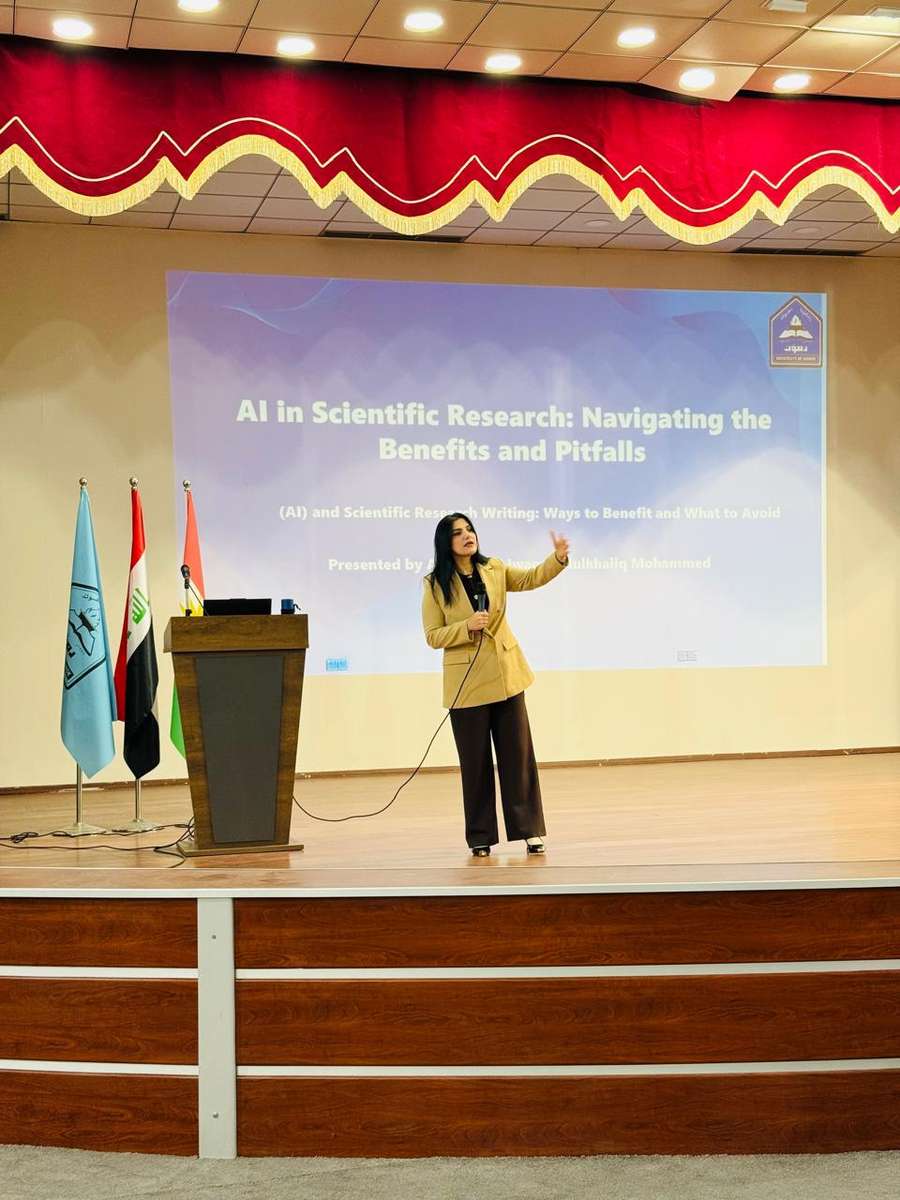
3. Day Three (Thursday, Jan 29, 2026): Asst. Prof. Jwan Abdulkhaliq Mohammed presented on "AI and Scientific Research Writing: Benefits and Avoidance." She discussed the era of Artificial Intelligence (AI) in general before narrowing down to its application in scientific research. She warned that a lack of expertise in this area could lead to plagiarism. She clarified when researchers should avoid AI and in which specific cases it can be utilized as a helpful tool. The course concluded with an extensive